
Iran's Modern History: 1900-Present:-
•The modern history of Iran (formerly known in the West as Persia until 1935) is a complex and dramatic story of revolutions, coups, rapid modernisation, and struggles between secular and religious forces, as well as foreign intervention.
1. The Constitutional Revolution (1905–1911)
•At the dawn of the 20th century, Iran was ruled by the Qajardynasty. The country was suffering from economic stagnation and heavy foreign influence, particularly from the British and Russian empires.
•The Revolution:
Widespread dissatisfaction led to a massive popular movement demanding a constitution and a parliament.
•The Result:
In 1906, the ruling Shah agreed to limit his absolute power. A constitution was drafted, and the first parliament (the Majlis) was established. However, the subsequent years were chaotic, marked by civil war and foreign interference that weakened the new democratic institutions.
2. The Rise of the Pahlavi Dynasty (1921–1941)
Following the chaos of World War I, a military officer named Reza Khan staged a coup in 1921. By 1925, he deposed the Qajarsand crowned himselfReza Shah Pahlavi.
•Modernisation and Secularisation:
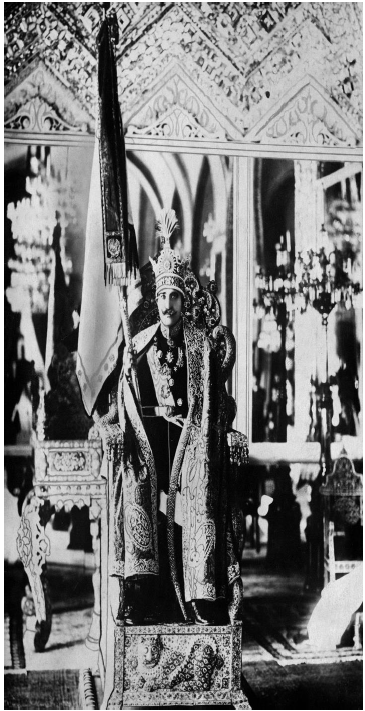
Reza Shah ruled with an iron fist, launching massive infrastructure projects (like the Trans-Iranian Railway), modernising the military, and aggressively pushing for secularisation and Westernisation. He famously banned traditional Islamic clothing for women and forced men to wear Western-style hats.
•Name Change:
In 1935, he asked foreign delegates to use the country's native name, "Iran," instead of "Persia."
•World War II:
Because Reza Shah declared neutrality but maintained ties with Germany, Britain and the Soviet Union invaded Iran in 1941 to secure oil fields and supply lines. They forced Reza Shah to abdicate in favour of his young son, Mohammad Reza Pahlavi.
3. Mohammad Reza Shah & the 1953 Coup (1941–1953)
The young Shah allowed parliament more power initially, leading to a vibrant but volatile political climate.
•Oil Nationalisation:
In 1951, a popular and democratically elected Prime Minister,Mohammad Mosaddegh, spearheaded a movement to nationalise Iran's oil industry, which had been controlled entirely by the British (via the Anglo-Iranian Oil Company, now BP).
•Operation Ajax:
In response to the nationalisation, the British embargoed Iranian oil. In 1953, the CIA and British MI6 orchestrated a coup that overthrew Mosaddeghand consolidated the Shah's absolute power. This event deeply scarred the Iranian psyche and fueledlong-lasting anti-Western sentiment.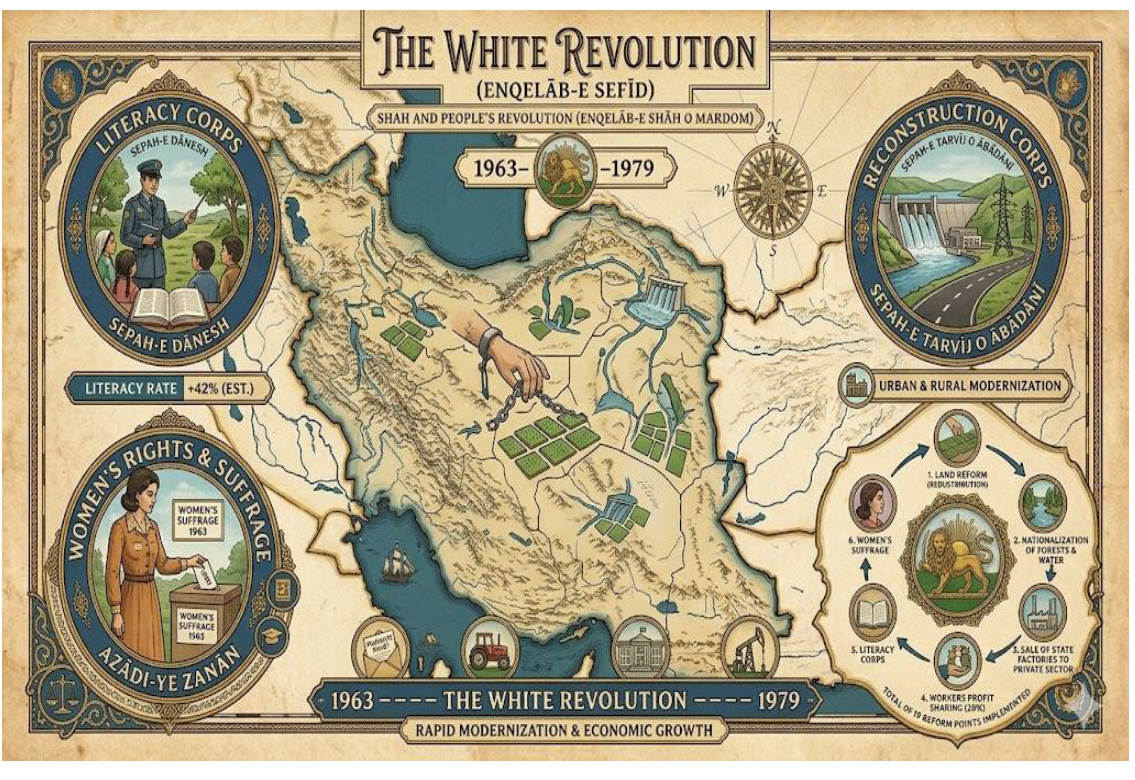
 |
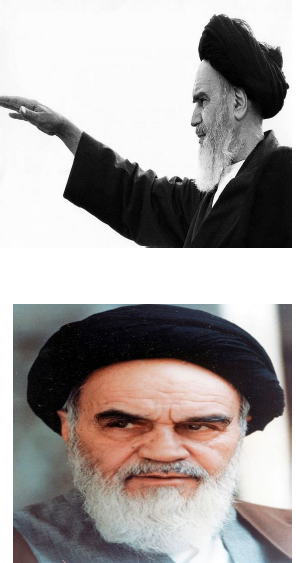
The White Revolution and Growing Discontent (1953–1979) With Western backing, the Shah ruled as an autocrat. •The White Revolution (1963): The Shah launched a massive modernisation program including land reform, infrastructure development, and granting voting rights to women. •The Backlash: While the economy grew, wealth inequality skyrocketed. The Shah's secret police (SAVAK) brutally suppressed political opposition. His aggressive secularisation alienated the traditional clergy, led by an exiled cleric namedAyatollah Ruhollah Khomeini. |
|
|
The Islamic Revolution (1979):-By 1978, a coalition of leftists, students, secular democrats, and religious conservatives united against the Shah. Mass protests paralysed the country. The Overthrow: The Islamic Republic: The Hostage Crisis: |
The Iran-Iraq War (1980–1988):-
•The Iran-Iraq War (1980–1988)
•Sensing weakness in post-revolution Iran, Iraqi dictator Saddam Hussein invaded in 1980, hoping for a quick victory and control of border oil regions.
•The Conflict:
The war turned into a brutal, eight-year stalemate reminiscent of WWI trench warfare, including the use of chemical weapons by Iraq.
•The Aftermath:
An estimated one million people died. The war devastated both economies but ultimately allowed the new Islamic regime to consolidate power and eliminate domestic opposition in the name of national defence.
 |
Post-Khomeini Era and Modern Challenges (1989–Present) •Post-Khomeini Era and Modern Challenges (1989–Present) |
The Current Crisis (2024–2026):-
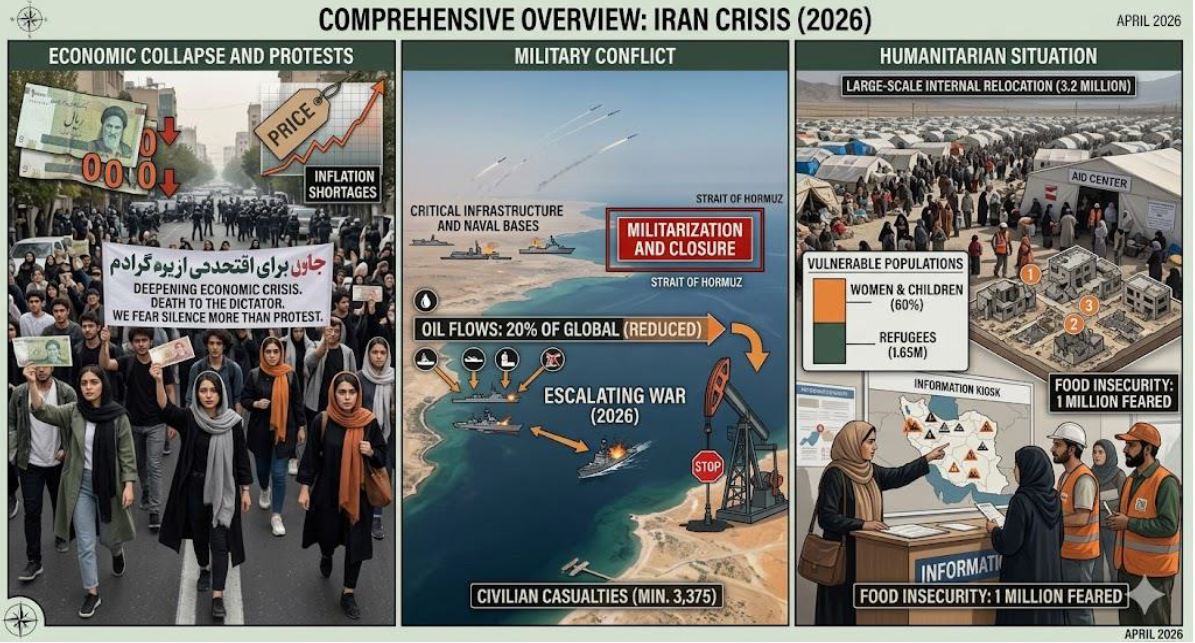
•In the most recent years, Iran has entered one of the most volatile and transformative periods since the 1979 revolution, characterised by economic collapse, direct foreign conflict, and massive leadership changes:
•Severe Economic Protests:
Crushed by years of international sanctions and hyperinflation, the Iranian currency (the rial) reached record lows.In late December 2025, massive nationwide protests broke out.Driven initially by merchants and the working class over the economic crisis, these demonstrations quickly spread across all 31 provinces, becoming even more extensive than the 2022 protests.
•Direct Regional War:
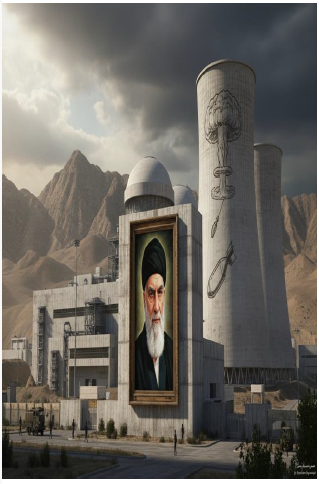
The "shadow war" between Iran and Israel escalated into direct military confrontation.Following the election of the reformist-leaning President MasoudPezeshkianin 2024, tensions reached a boiling point.In 2025 and early 2026, the US and Israel launched major direct strikes on Iranian military infrastructure and its nuclear program, triggering retaliatory strikes from Iran in a brief but intense regional conflict.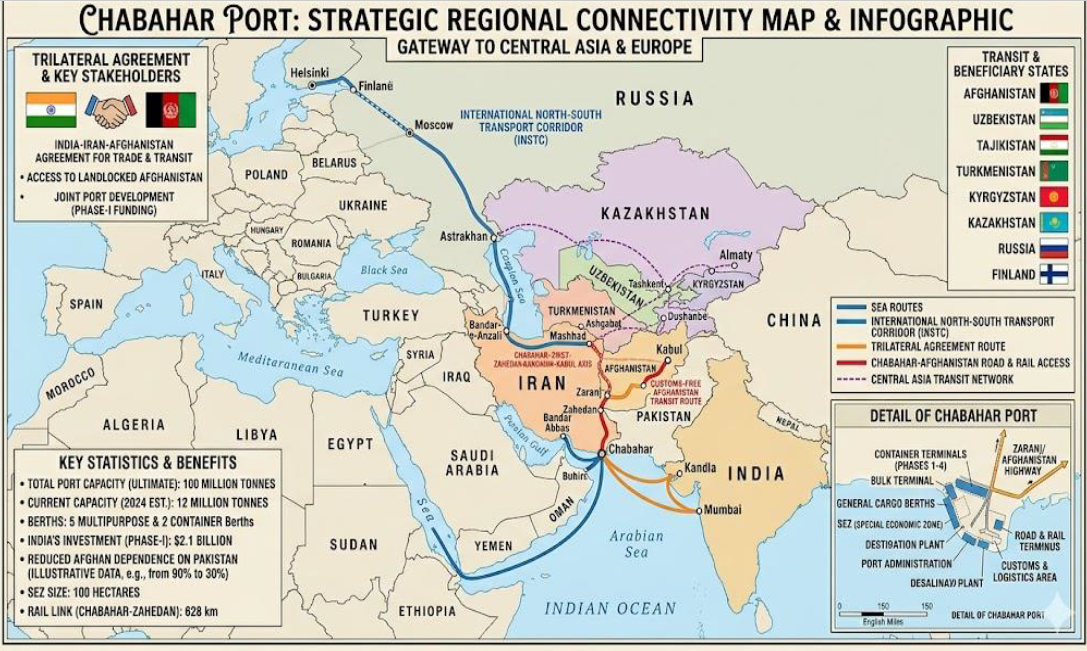
International North-South Transport Corridor (INSTC):-
•7,200-kilometer multi-mode network of ship, rail, and road routes designed to move freight between India, Iran, Azerbaijan, Russia, Central Asia, and Europe.
•Chabaharport
•deep-water port located in the Sistan-Balochistanprovince of southeastern Iran, on the Gulf of Oman. It serves as India's strategic gateway to Afghanistan, Central Asia, and Russia, effectively bypassing the overland route through Pakistan.
Watch Full Video :
Israel-Iran युद्ध Click Here 👈
US-ISRAEL-IRAN WAR Impact on IndiaClick Here 👈