- “Vasudhaiva Kutumbakam” to Vishwaguru”
- “India represents the wealth of mind which is for all.” — Rabindranath Tagore
Introduction
- Soft power refers to the ability of a nation to influence others through attraction rather than coercion. It includes culture, values, traditions, education, diplomacy and institutions. India’s soft power emerges from its ancient civilization, spirituality, democracy, cultural diversity and developmental achievements. The philosophy of “Vasudhaiva Kutumbakam” (The World is One Family) forms the moral foundation of India’s cultural diplomacy.
1. Civilizational Heritage
- India’s 5000-year-old civilization is one of the strongest pillars of its soft power. Ancient centres of learning such as Nalanda, Takshashila and Vikramshila attracted scholars from across Asia. Indian philosophies like Buddhism, Jainism, non-violence and coexistence continue to inspire the world. India’s civilizational outlook promotes harmony, pluralism and universal brotherhood.
- “In the blue of the sky, in the green of the forest…” — Sri Aurobindo
2. Yoga and Spiritual Diplomacy
- Yoga has become India’s most successful soft power instrument. International Day of Yoga, adopted by the UN with support from 177 nations, projects India as a civilization promoting wellness, mindfulness, harmony and sustainable living. Institutions such as Art of Living Foundation, Isha Foundation and Vipassana centres have spread Indian spirituality globally.
- “Yoga is an invaluable gift of India’s ancient tradition.” — Narendra Modi
3. Ayurveda and Traditional Knowledge
- India’s traditional healthcare systems such as Ayurveda, Siddha, Unani, Sowa-Rigpa and Homoeopathy have become important instruments of cultural diplomacy. The Ministry of AYUSH and WHO Global Centre for Traditional Medicine at Jamnagar strengthened India’s global leadership in holistic healthcare and preventive wellness.
4. Buddhist Diplomacy
- India uses Buddhism to strengthen ties with Sri Lanka, Nepal, Bhutan, Japan, Thailand, Mongolia and ASEAN nations. The Buddhist Circuit and restoration of Buddhist heritage sites project India as the birthplace of Buddhism. Buddha’s teachings of peace, compassion and non-violence make Buddhism a powerful instrument of regional cooperation.
5. Bollywood and Entertainment
- Indian cinema, music and dance have become major cultural ambassadors. Bollywood and South Indian films shape global perceptions, promote tourism and create emotional connections in Africa, Latin America, the Middle East and CIS countries. Films like Dilwale Dulhania Le Jayenge and Baahubali gained international popularity, enhancing India’s cultural appeal.
6. Indian Cuisine and Food Diplomacy
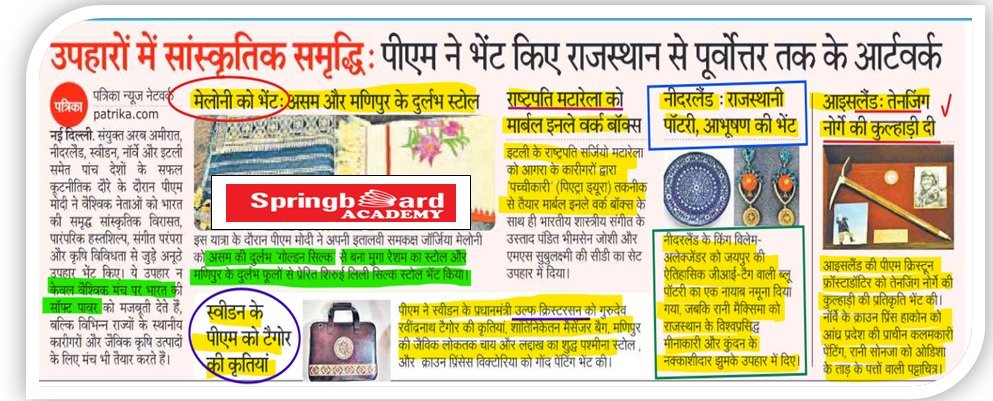
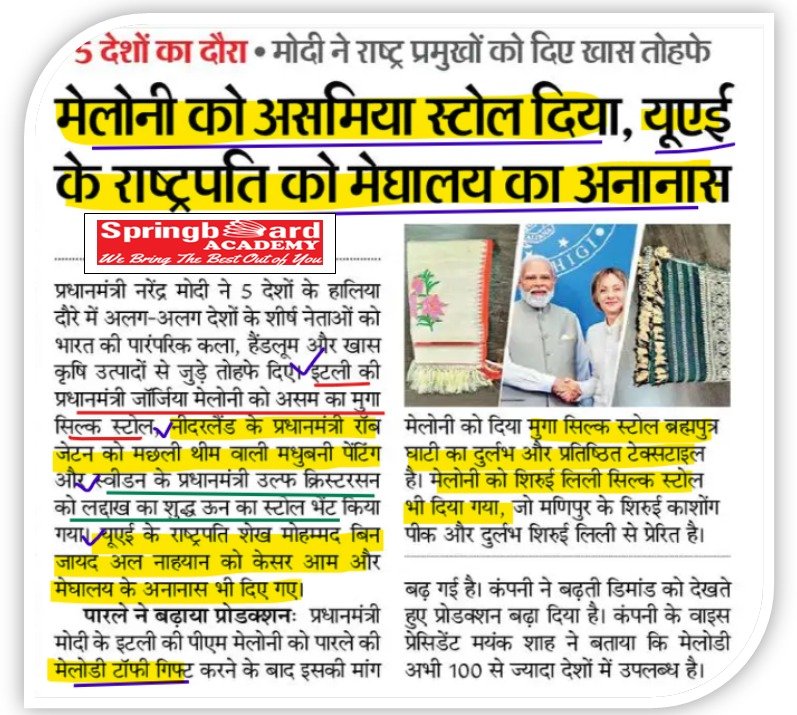
- Indian cuisine reflects diversity, sustainability and cultural fusion. Dishes such as Biryani, Dosa, Butter Chicken, Chaat and Masala Chai enjoy worldwide popularity. During PM Modi’s recent foreign visits, India used food diplomacy through GI-tagged mangoes, millet products, regional teas and traditional food items gifted to world leaders. India is also promoting millets globally after the International Year of Millets initiative.
7. Textile and Handloom Diplomacy
- Indian textiles such as Banarasi silk, Kanjeevaram, Bandhani, Pashmina, Chanderi and Khadi symbolize centuries of craftsmanship and artistic excellence. Khadi, associated with Mahatma Gandhi, represents self-reliance, sustainability and the freedom struggle. India promotes its handloom heritage through GI tagging, “Vocal for Local,” diplomatic gifting and international exhibitions.
8. Indian Diaspora
- India’s diaspora of over 3.5 crore people across 150+ countries acts as a bridge between India and the world. The diaspora preserves languages, festivals, spirituality, cuisine and traditions while contributing to investments, technology and diplomacy. Indian-origin CEOs of major global companies further enhance India’s image and credibility.
9. Sports Diplomacy
- Sports have emerged as an important pillar of India’s soft power. The Indian Premier League attracts players and audiences from across the world, making cricket a tool of cultural connectivity. India’s support to Afghanistan and Nepal’s cricket infrastructure has strengthened regional goodwill and cooperation.
10. Science, Technology and Digital Public Infrastructure
- India’s achievements in Indian Space Research Organisation missions, Chandrayaan, Aadhaar, UPI and Digital Public Infrastructure have strengthened its reputation globally. India’s affordable and inclusive digital governance model is increasingly viewed as a developmental template for the Global South.
11. Humanitarian Assistance and Disaster Relief
- India’s humanitarian initiatives such as Vaccine Maitri during COVID-19, Operation Dost after the Turkey earthquake, evacuation missions and HADR operations showcase India as a compassionate and responsible power. These efforts reflect the spirit of “Sarve Bhavantu Sukhinah” (welfare of all).
12. Green Development and Climate Leadership
- India has emerged as a leader in sustainable development through initiatives such as the International Solar Alliance, Global Biofuel Alliance and Mission LiFE. India promotes climate justice, sustainable lifestyles and green growth, strengthening its image among developing nations.
13. Development Partnership and Global South Leadership
- India strengthens its credibility through ITEC programmes, concessional Lines of Credit, infrastructure projects, digital partnerships and capacity-building initiatives in Africa, Southeast Asia and Latin America. India’s development model is viewed as inclusive, demand-driven and non-exploitative.
14. “Chennai Connect” and Cultural Diplomacy
- The informal summit between Narendra Modi and Xi Jinping at Mamallapuram highlighted India’s Tamil heritage and centuries-old India-China cultural links. The “Chennai Connect” demonstrated how heritage can become a diplomatic bridge amidst geopolitical tensions.
15. Bhakti-Sufi Traditions and Inclusive Ethos
- India’s soft power is deeply rooted in pluralism and coexistence. Saint Kabir declared: “I am not Hindu or Muslim.” Bhakti and Sufi traditions promoted love, equality, tolerance and spiritual unity while opposing fanaticism and sectarianism. They reflect India’s composite and inclusive civilization.
Challenges
- India faces challenges such as inadequate heritage conservation, narrative competition, commercialization of culture, youth disconnect from parampara and the need to preserve pluralism and inclusiveness.
Conclusion
- India’s soft power is the expression of its civilizational confidence. From Yoga to Ayurveda, Bollywood to Buddhism, cuisine to crafts, digital innovation to diaspora diplomacy, India influences the world through attraction rather than domination.
- “India has always had a strange way with her conquerors.” — William Dalrymple
- In an increasingly polarized world, India’s timeless message of: “Vasudhaiva Kutumbakam”
- offers a pathway toward peace, coexistence, sustainability and global harmony.